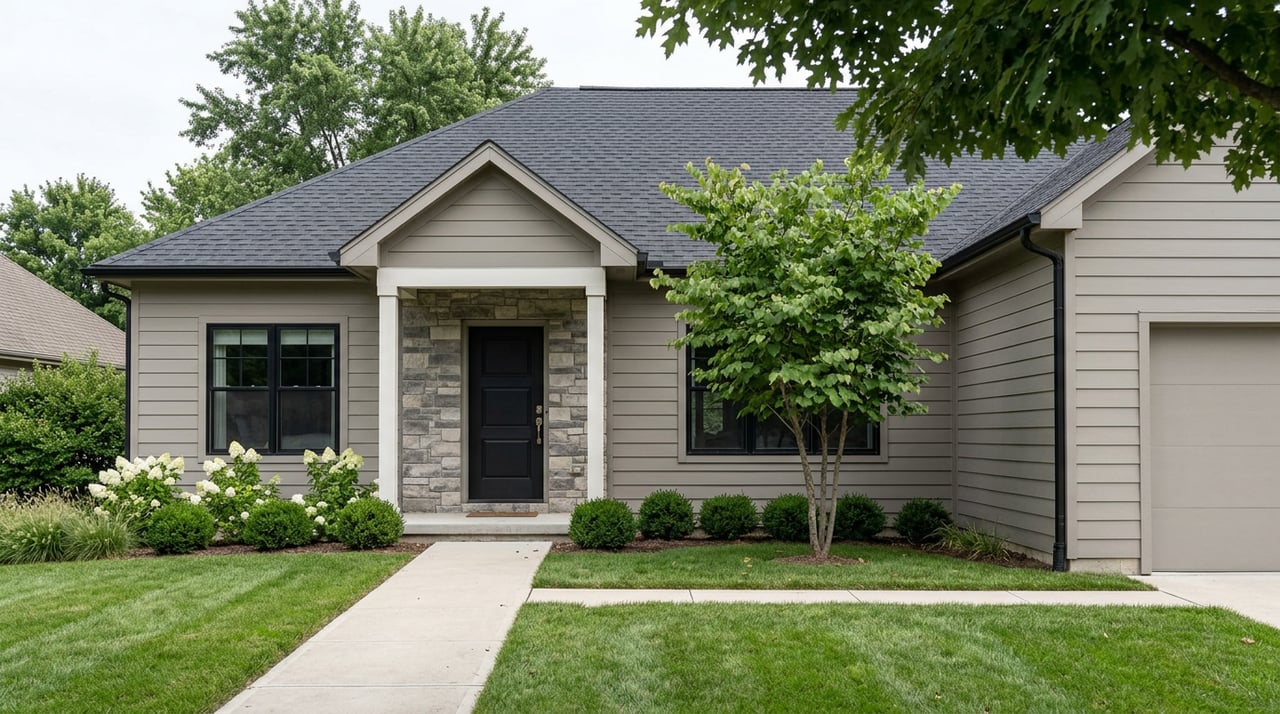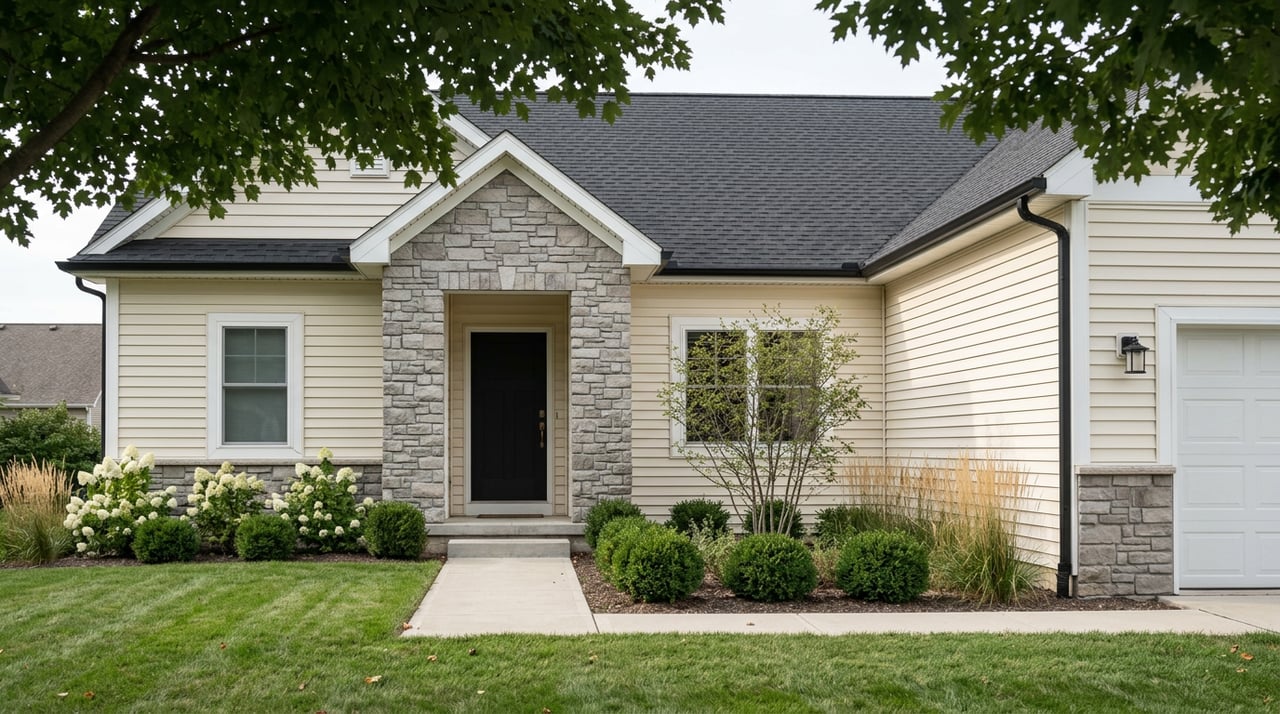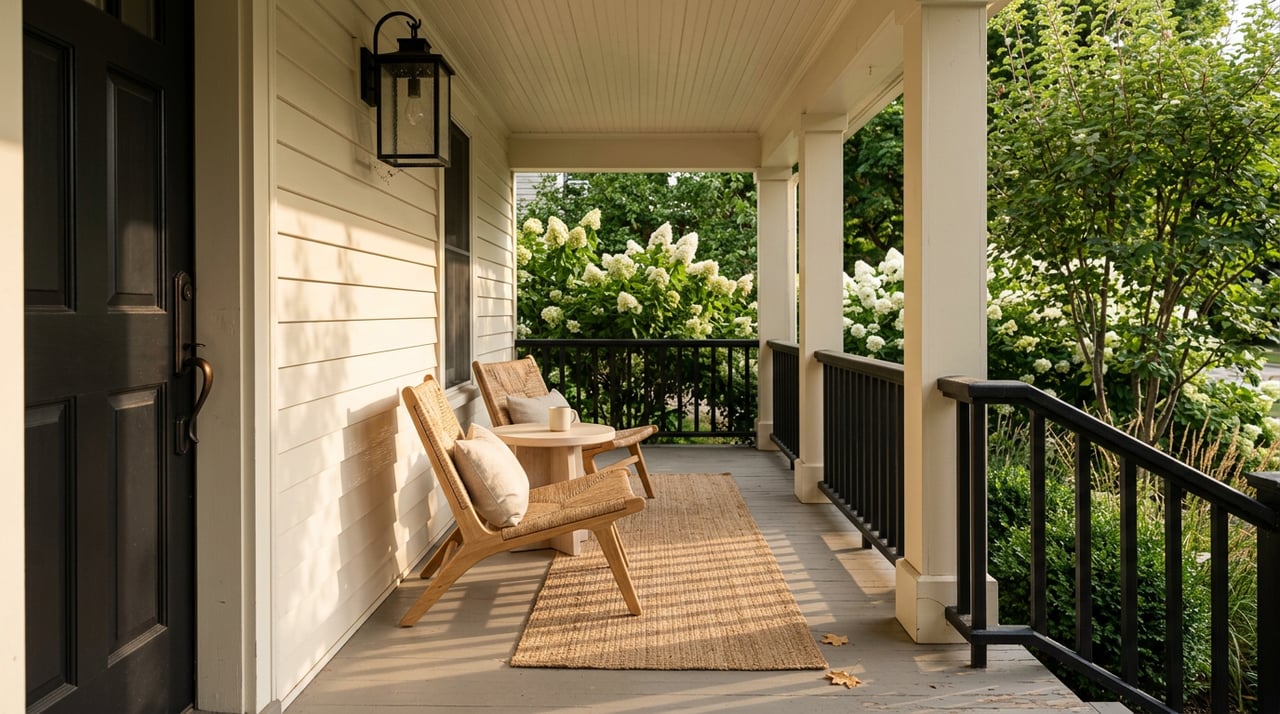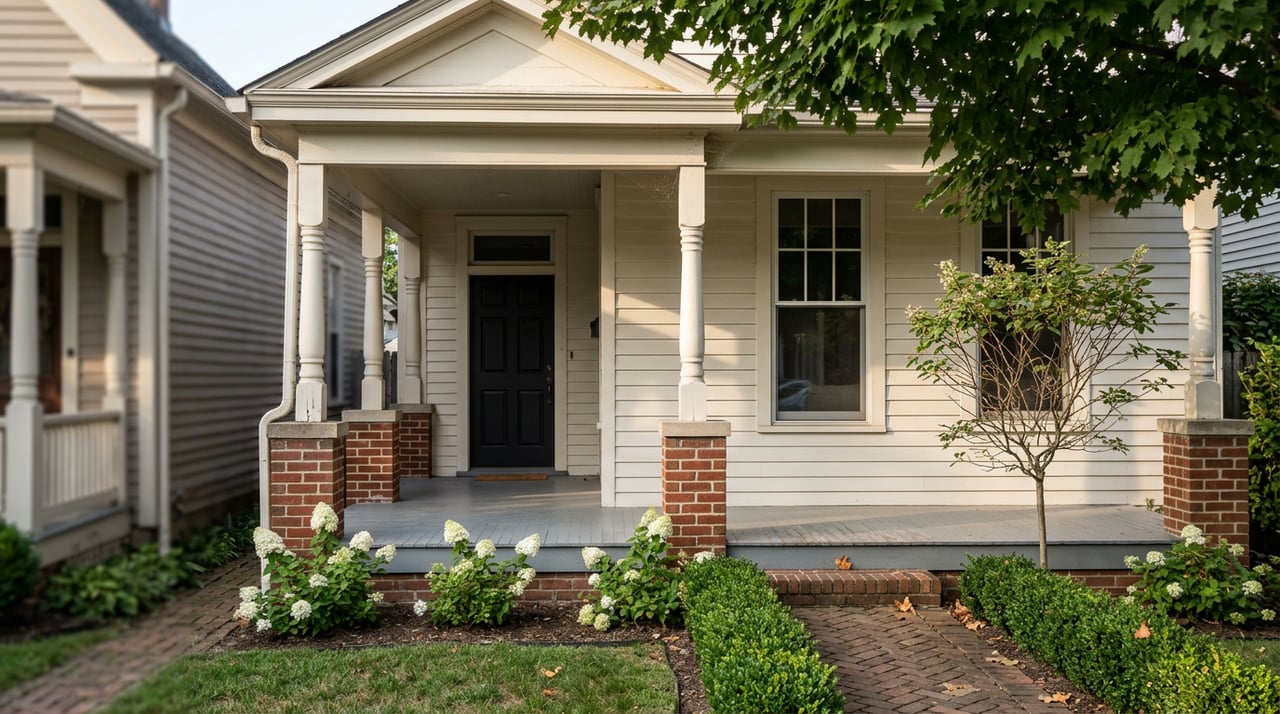
Paul and Merideth Kuiper bought a 155-year-old house on Charles Avenue SE with a foundation that needed to be rebuilt from the ground up. Before they hired a single contractor, their first call was to the City of Grand Rapids Historic Preservation Commission. Their instinct was correct, and it is the instinct most buyers in the city's historic districts skip. The home sits in the Cherry Hill Historic District, one of six districts the same commission oversees citywide, and the guidance staff gave them ran all the way down to the spacing of the porch spindles, a level of detail the Kuipers said they never would have considered on their own.
That same commission covers Heritage Hill, and if you are shopping there, the rebuilt foundation is not the part of the story that should stick with you. The part that should stick is this: in Grand Rapids' historic districts, you do not fully control your own exterior. The city does, through a permit-like approval called a Certificate of Appropriateness, and most buyers do not find out how that system actually works, in dollars and in weeks, until after they have already closed.
The Permission Slip You Didn't Know You Signed
A Certificate of Appropriateness, or COA, is required before you make any addition, alteration, or repair that changes the exterior appearance of a property inside a Grand Rapids historic district. It is a separate approval from your building permit. You get the COA first, then the city issues permits behind it. Heritage Hill is bounded by Crescent Street to the north, Union Avenue to the east, Pleasant Street to the south, and Lafayette Avenue to the west, and inside that roughly one-square-mile footprint sit more than 1,300 homes dating back to the 1840s, nearly all of them contributing structures under this rule.
Citywide, the commission oversees about 2,500 designated historic buildings, six historic districts, and 80 individual landmarks. Heritage Hill is by far the largest of the six, which means it is also where this process gets tested the most often.
Some projects only need a review from city staff. Others require a full hearing in front of the seven-member Historic Preservation Commission. Which track you land on depends on the scope of the work, and the difference between the two tracks is where most buyers get surprised.
What the Fee Schedule Actually Tells You
The city publishes a straightforward fee table for 2026, and read the right way, it is not really about fees. It is a map of what the city wants to make easy and what it wants to make deliberately slow.
| Application Type | Review Level | 2026 Fee |
|---|---|---|
| Standard project | City staff | $27 |
| Standard project | Historic Preservation Commission hearing | $90 |
| Large-scale addition (over 1,200 sq ft) | Commission | $440 |
| New construction | Commission | $1,290 |
| Demolition, including garages | Commission | $1,290 |
A staff-reviewed repair costs $27. A demolition or new construction review costs $1,290, roughly 48 times more. That gap is not an accident of accounting. It is the city pricing in exactly how much friction it wants between a homeowner and a teardown. If your plans are a repaired porch rail or replacement siding that matches the original, you are likely looking at a small fee and a quick staff sign-off. If your plans involve tearing something down or building something new, you are looking at a four-figure fee and a public hearing, no matter how tasteful your architect's renderings are.
The Calendar Problem That Catches Buyers Off Guard
The Historic Preservation Commission meets once a month, on the first Wednesday, at the Development Center at 1120 Monroe Avenue NW. New construction applications must be filed four weeks ahead of the meeting date they are targeting. As of this writing, the next new-construction filing deadline is August 20, just days away, and it feeds a hearing on September 16. Miss that window and the next filing deadline lands in September, reaching for an October hearing instead, and meeting slots can fill before the deadline even arrives, since only two hearings are heard per session.
That is not a hypothetical. It is the actual calendar a buyer closing on a Heritage Hill property this month is working with. If your renovation plan needs commission review rather than staff sign-off, you are not looking at a quick trip to the permit counter. You are looking at whichever filing deadline is still open on your closing date, a wait for that hearing, and only then a building permit application on top of it. For a buyer who financed a renovation loan assuming work would start within weeks of closing, that lag is real money sitting idle and a contractor crew you may need to rebook.
Even a Garage Can Trip the Wire
This matters most for buyers thinking about rental income, and Heritage Hill draws exactly that kind of buyer given its proximity to downtown, the medical district, and the universities. A standard one or two-stall garage uses the simpler standard COA form. A three-stall garage or a carriage house, the kind of structure someone might convert into an accessory rental unit, is treated as new construction. That means the $1,290 fee, the mandatory commission hearing, and the four-week filing lead time, applied to a garage.
If you are evaluating a Heritage Hill property with an eye toward a carriage house conversion for rental income, that single distinction, three stalls versus two, changes your entire approval timeline and budget before you have poured a single yard of concrete.
The Rules Don't Bend for Anyone
It is worth knowing that this system does not carve out exceptions for institutional owners either. The Voigt House, a Victorian mansion maintained by the Grand Rapids Public Museum and closed to regular public tours since 2009, reopened for the first time since 2018 as part of Heritage Hill's 58th Annual Tour of Homes, held May 16 and 17, 2026. Even with a public museum as steward, neighbors raised concerns earlier this year about the home's upkeep, deferred maintenance that is visible from the street in a district where every visible detail is technically someone's business to review. If a museum-run landmark faces that scrutiny, a private buyer should expect the same.
The tour itself is worth knowing about regardless of your renovation plans, because it says something about what you are buying into. Alongside the Voigt House, that weekend's twelve featured sites included the Meyer May House, Frank Lloyd Wright's first commission in Michigan, and the Amberg House, a Wright-era design produced in collaboration with Marion Mahony, the first licensed female architect in the United States, whose exact authorship purists still debate since the blueprints carry no Wright signature. That is the level of documentation and defense this neighborhood applies to its own history. The COA process is simply that same instinct written into city ordinance.
What to Do Before You Waive Your Inspection Contingency
If you are under contract or about to write an offer on a Heritage Hill property, a few calls now can save you weeks later:
- Ask the seller for any past COAs, permits, or contractor records tied to exterior work, so you know what has already been approved and what hasn't
- Call the city's Historic Preservation Specialist directly and describe your renovation plans before you finalize financing timelines
- Confirm whether your planned scope, especially additions over 1,200 square feet or any new outbuilding larger than a two-stall garage, will trigger commission review rather than staff sign-off
- Check the current year's filing deadlines against your intended construction start date, not just the meeting dates
- Bring in a contractor or specialist with an actual Heritage Hill or Cherry Hill portfolio, since restoration carpentry and masonry work in these districts is its own trade specialty
Frequently Asked Questions
Does every exterior change need a hearing? No. Many routine repairs and like-for-like replacements can be approved at the staff level for a modest fee. New construction and demolition always require a commission hearing.
Can I start work while my COA application is pending? No. The COA has to be approved before you begin any exterior work, and in most cases a separate building permit follows the COA rather than running alongside it.
Does buying an already-renovated home skip this process for me? Only for as long as you don't touch the exterior. Any future addition, replacement, or repair on your end resets the clock and puts you back through the same review.
Heritage Hill rewards buyers who do their homework before closing, not after. If you are weighing a historic property here, whether it is a primary residence or a long-term rental play, Clark & Clark can walk you through what a specific address's COA history looks like, connect you with contractors who already know this district's expectations, and help you build a realistic timeline into your offer before you are locked in. Contact us and let's look at the address together.