If you want a home move that feels a little more grounded, a little more scenic, and a little less hectic than some other parts of Kent County, Lowell may already be on your shortlist. You might be wondering whether it offers the right mix of price, space, character, and day-to-day convenience for your next chapter. This guide will help you understand what living in Lowell can actually look like, what kinds of homes you may find, and where the biggest fit points and watchouts are. Let’s dive in.
Why Lowell stands out
Lowell sits on the southeastern edge of Kent County, about 15 miles east of Grand Rapids. It offers a setting that still reads as rural in character, even as growth and suburban development continue to shape the area. M-21 runs through the city, and I-96 is about 5 miles north, which gives you practical access to the wider region.
That balance is a big part of Lowell’s appeal. You are not looking at a purely remote small town, but you are also not stepping into a highly urban environment. For many buyers, that middle ground is exactly the point.
What Lowell feels like day to day
One of Lowell’s strongest lifestyle features is its downtown identity. The downtown is a National Register historic district, and the riverfront Riverwalk and Showboat area give the city a clear focal point. You will find features like a boat launch, an ADA-accessible canoe and kayak launch, picnic tables, benches, and a festival lawn.
This is also a place with visible community activity. The city recreation plan notes that summer concerts draw several hundred people downtown, which supports a small-town, event-driven feel. If you want a place with a recognizable center rather than a spread-out suburban pattern, that can matter.
Lowell also leans strongly toward outdoor recreation. In the city survey, 85.8% of respondents said enjoying nature and the outdoors was a top purpose of parks, and walking trails, bike trails, canoe and kayak facilities, and trail maps ranked high as desired amenities. The Wittenbach and Wege trail system is open year-round during daylight hours, and community garden plots are offered from March through November.
Who Lowell may fit best
Lowell can be a strong option if you want historic character, river access, outdoor amenities, and the chance to find more space than you may see in denser parts of Kent County. It may also appeal to you if a true downtown setting matters, but you do not need a fully urban, walk-everywhere lifestyle.
This market can work well for several types of buyers:
- Buyers who want a small-town feel with regional access
- Buyers who value trails, riverfront areas, and outdoor recreation
- Buyers looking for both in-town homes and edge-of-town options
- Buyers open to a wide range of lot sizes, from compact lots to acreage
At the same time, Lowell may be less ideal if your top priority is the lowest possible entry price in Kent County. It may also be less of a fit if you want a dense urban setting where nearly every daily errand is within a short walk.
What kinds of homes you may find
Lowell has a broader housing mix than some buyers expect. The zoning map includes one-family residential, single-or-two-family residential, multiple-family residential, suburban residential, mixed-use areas, planned unit development districts, and a manufactured home park district. That tells you right away that Lowell is not a one-note market.
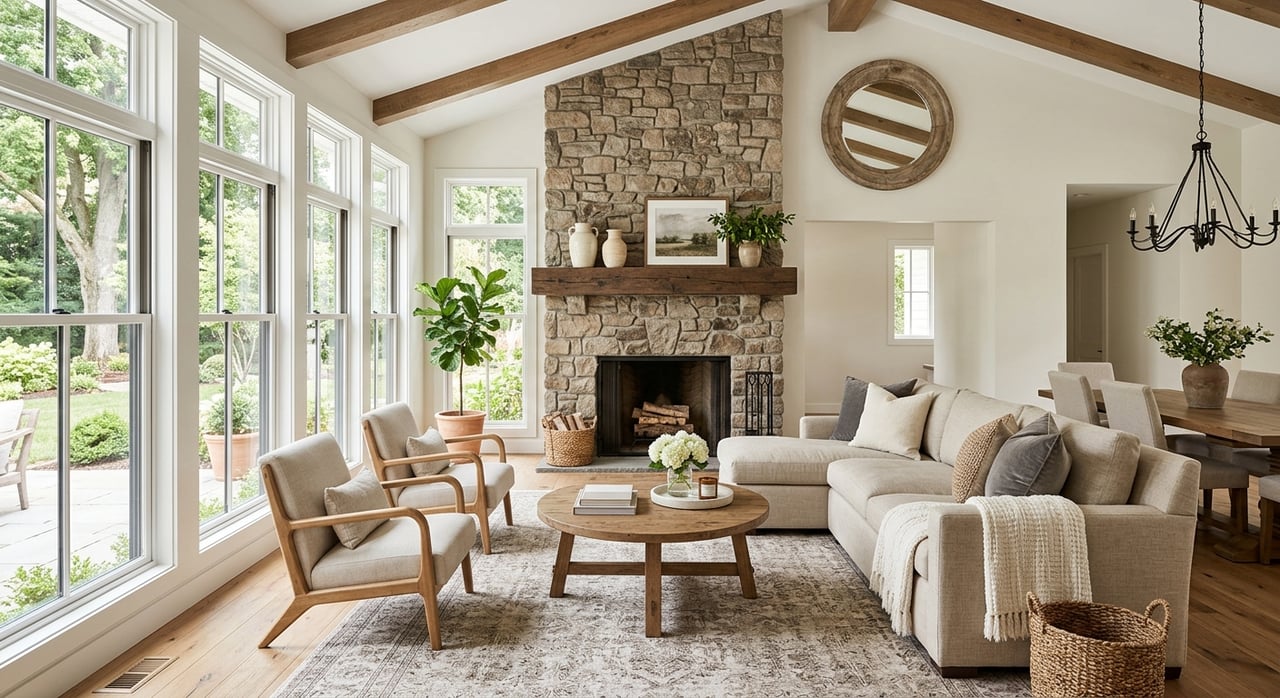
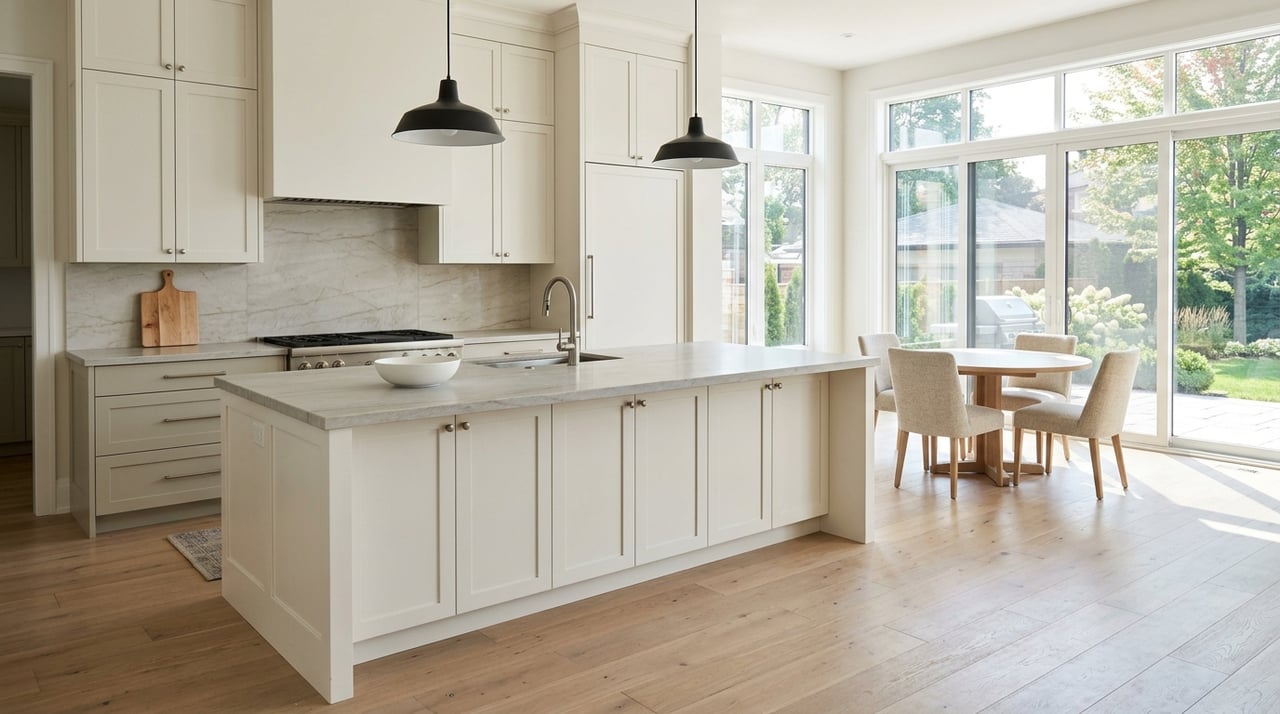
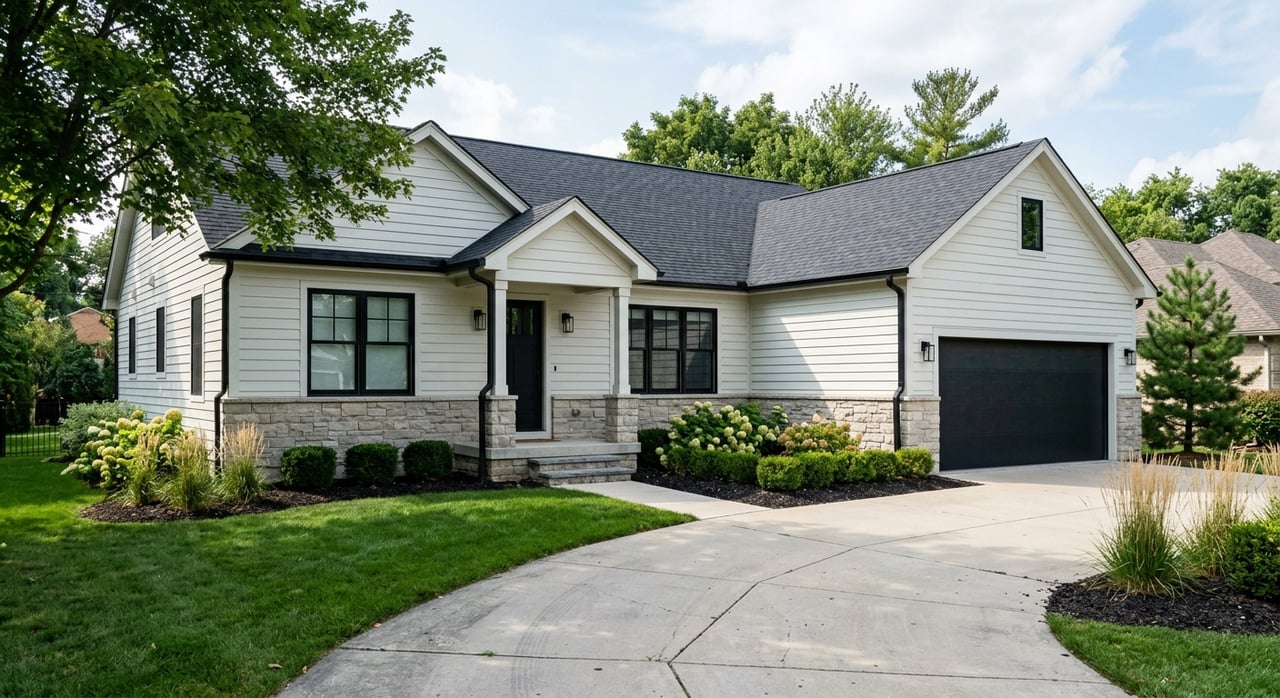
Current inventory supports that variety. Active listings have included single-family homes, condos, multi-family homes, mobile homes, land, and new-construction options. That gives you a wider search range, whether you are looking for a primary home, more elbow room, or a property with a different layout or use case.
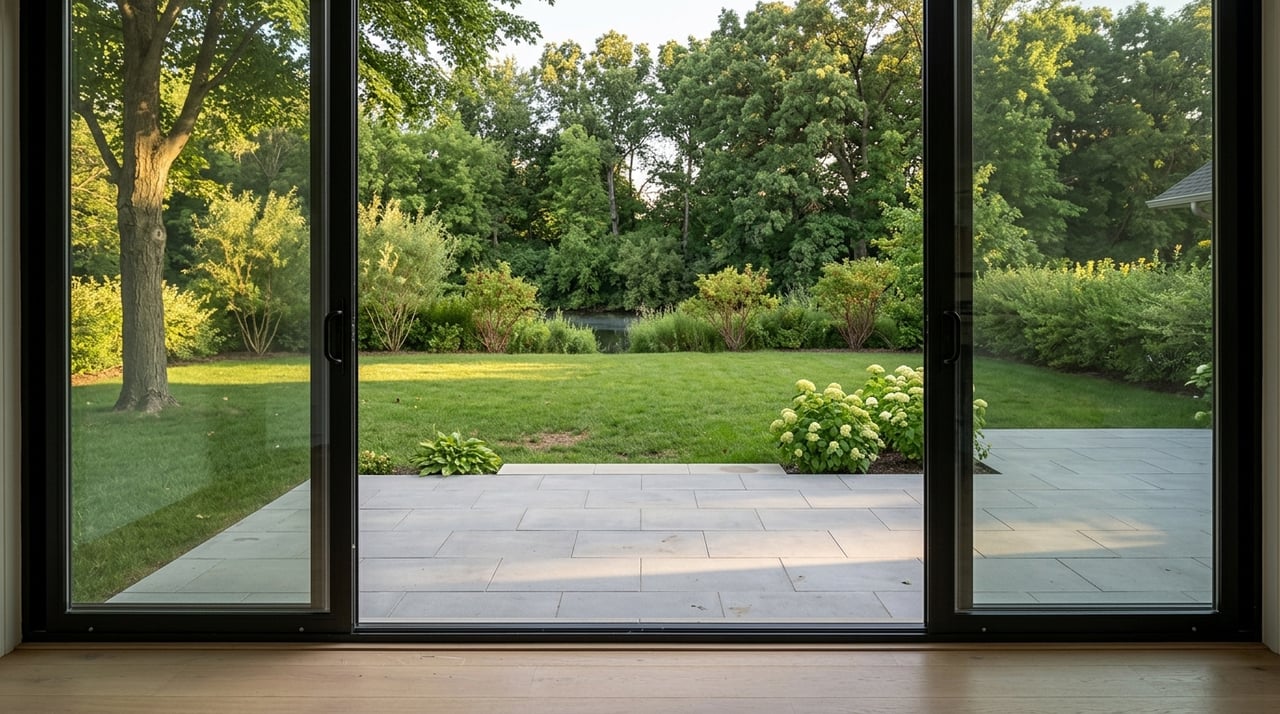
Lot sizes also vary quite a bit. Current listings range from smaller in-town lots around 3,485 square feet to parcels of 0.27, 0.34, 0.55, and 1.06 acres, with some properties reaching 4.26 acres and even 11.17 acres. In practical terms, that means your experience of Lowell can change a lot depending on where you shop.
Where newer homes are more common
If newer construction is high on your list, location within Lowell matters. The city plan says new residential development is found primarily on the east and west edges of the city. That means you are more likely to find newer homes and larger-lot options as you move away from the historic core.
The city plan also notes that much of the population lives north of M-21. It ties that pattern in part to the Grand River floodplain and poorer soils on the south side. For buyers, this helps explain why Lowell’s housing layout feels the way it does, with an established core and different development patterns around the edges.
How Lowell pricing compares
Lowell is best understood as a market with a wide spread, not a single price point. On current listings, Realtor.com shows Lowell’s median listing price at $409,900. That snapshot is above Grand Rapids at $332,425, Wyoming at $299,950, and Kentwood at $330,000, while below Rockford at $495,000 and Ada at $778,725.
Sold data adds more context. Redfin reports that over the three months ending April 2026, Lowell’s median sale price was $284,853, compared with $359,048 for Kent County overall. Lowell’s median sale price per square foot was $179, versus $225 for the county.
Those numbers may seem contradictory at first, but they tell an important story. Active inventory appears to include newer homes, larger-lot properties, and a range of product types, while recent closed sales may reflect more older or lower-priced homes. So if you are trying to decide whether Lowell is affordable, premium, or somewhere in between, the honest answer is that it depends heavily on the specific home, lot size, and location.
What to weigh before you move
Lowell has real strengths, but a smart move means looking at tradeoffs too. The biggest one called out in the city plan is flood risk. The Grand River edge is prone to seasonal flooding, especially in spring, although the plan says developed neighborhoods and downtown along the Flat River do not frequently flood.
That said, Redfin’s climate-risk model still flags Lowell overall as having severe flood exposure. The practical takeaway is simple: if you are considering a river-adjacent property or a home near the confluence, verify flood risk on a lot-by-lot basis. This is one of those details that should be part of your early screening, not something you save for later.
You should also think through your lifestyle expectations. If your goal is a polished historic downtown with outdoor access and the possibility of more land, Lowell checks meaningful boxes. If your goal is a lower-cost entry point or a more urban setup, you may want to compare Lowell with other Kent County options before deciding.
Signs Lowell could be right for you
A move to Lowell may make sense if you keep nodding yes to the following:
- You want a town with a real downtown identity
- You enjoy trails, river access, and outdoor time
- You like the idea of choosing between in-town lots and acreage
- You are open to an established home, newer construction, or both
- You want to stay connected to the Grand Rapids area without living in its denser neighborhoods
If most of those points line up with your goals, Lowell deserves a closer look. The key is to approach it with clear priorities, because the market offers enough variety that the right fit is there for many buyers, but not in the exact same form for everyone.
How to shop Lowell strategically
When you search Lowell, it helps to narrow your priorities in this order:
- Lifestyle first: Decide whether you want historic downtown proximity, outdoor access, or more land.
- Home type next: Think about whether you want a single-family home, condo, new construction, or acreage property.
- Location within Lowell: Focus on the core versus the east and west edges depending on the age of home and lot size you want.
- Risk review: Check flood exposure carefully, especially for river-adjacent homes.
- Price context: Compare active asking prices with recent sold trends so you understand what kind of property you are really evaluating.
This kind of approach can save you time and reduce second-guessing. It also helps you avoid lumping all of Lowell into one category when the housing mix is clearly more nuanced than that.
If you are considering Lowell, the best next step is to match your budget and lifestyle goals to the right part of the market, not just the right city name. The team at Clark & Clark can help you evaluate Lowell through both a lifestyle and market-value lens so you can move with confidence.
FAQs
Is Lowell, Michigan more rural or suburban?
- Lowell is described in the city plan as still rural in character, even as suburbanization affects growth.
Does Lowell, Michigan have a real downtown area?
- Yes. Lowell’s downtown is a historic district centered around the riverfront Riverwalk and Showboat area, with public gathering spaces and seasonal events.
Where are newer homes in Lowell, Michigan?
- The city plan says new residential development is primarily on the east and west edges of the city.
What lot sizes can buyers expect in Lowell, Michigan?
- Current listings show a wide range, from small in-town lots to acre-plus and multi-acre properties.
Is Lowell, Michigan affordable compared with Kent County?
- Lowell is not easy to label with one price point. Current listing prices are higher than some Kent County markets, while recent median sold prices were lower than the county overall.
Is flood risk important when buying a home in Lowell, Michigan?
- Yes. The Grand River edge is prone to seasonal flooding, so buyers should verify flood risk carefully for each property, especially near the river or confluence areas.